Your Cart is Empty
Start shopping

According to the World Health Organization (WHO), 64% of women worldwide use some form of contraception, with long-acting reversible contraceptives (LARCs) gaining popularity due to their effectiveness and convenience. Among these options, Nexplanon, a small, hormone-releasing implant, provides up to three years of continuous pregnancy prevention with minimal effort required from the user.
Nexplanon has become a preferred choice for women seeking long-term birth control. The implant steadily releases progestin, which prevents ovulation, thickens cervical mucus, and creates a highly effective barrier against pregnancy. Its discreet design and ease of use make it an attractive option for those wanting reliable, low-maintenance contraception.
In this article, we will explore how long Nexplanon lasts, its effectiveness over time, and what to expect throughout its duration to help you make an informed contraceptive choice.
Key Takeaways
- Nexplanon is FDA-approved for up to three years of continuous use, effectively preventing pregnancy by releasing the hormone etonogestrel.
- Studies suggest it may remain effective for up to five years, but extended use is considered off-label and should be discussed with a healthcare provider.
- With a 99% reliability rate, Nexplanon is comparable to hormonal IUDs (3–6 years) and injectable contraceptives (3 months) in terms of effectiveness and duration.
- Factors like BMI, metabolism, and drug interactions may slightly affect efficacy, with higher BMI and certain medications potentially reducing effectiveness.
- Users should plan for removal or replacement at three years, unless a healthcare provider determines extended use is appropriate.
- Users may experience changes in bleeding patterns, mood fluctuations, or skin reactions and should consult a healthcare provider if any concerns arise.
About: Doctor Medica is your trusted supplier of top-quality dermal fillers, viscosupplements, and more for your medical practice. We offer genuine products from leading brands at the lowest prices. If you’re interested in ordering Nexplanon online for your practice, our sales agents at Doctor Medica can help.
Recommended products
Considering a Purchase?
Sign in to Explore Options.
Approved Duration of Nexplanon Use
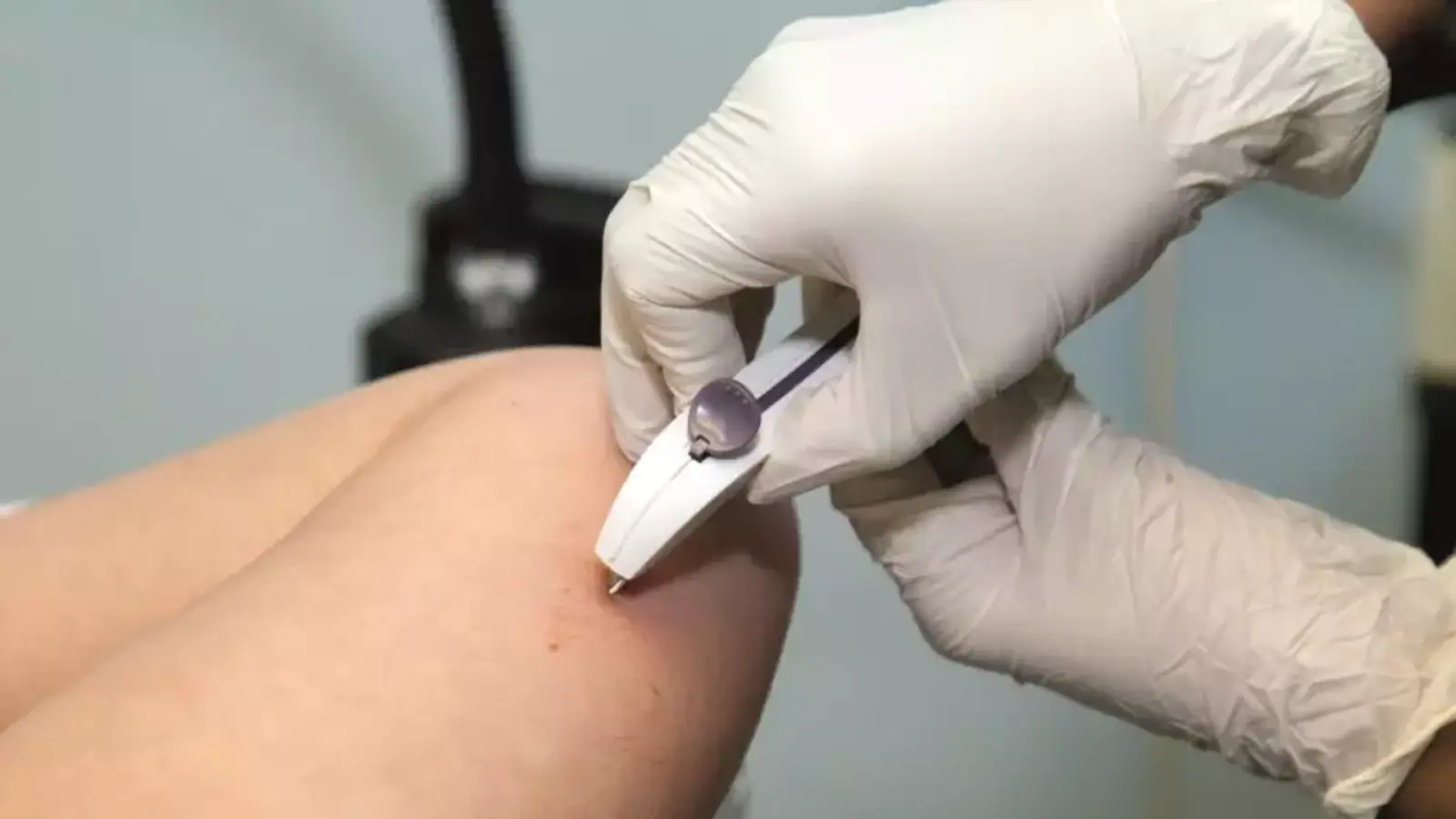
The U.S. Food and Drug Administration (FDA) approves Nexplanon for three years of continuous use. During this time, the implant steadily releases etonogestrel, a progestin hormone that prevents pregnancy by suppressing ovulation, thickening cervical mucus, and thinning the uterine lining.
In the first few months after insertion, Nexplanon releases the highest level of etonogestrel. Over time, the release rate gradually decreases, but the implant remains highly effective for up to three years. This slow decline does not compromise contraceptive reliability, ensuring consistent pregnancy prevention within the approved timeframe.
Extended Use Beyond Approved Duration
Recent research suggests that Nexplanon may remain effective for up to five years in some users. Clinical trials evaluating extended use have reported no pregnancies among participants who continued using the implant beyond the three-year mark. As a result, some healthcare providers consider off-label extended use in select cases.
While the FDA approval remains at three years, some health organizations acknowledge its potential for longer effectiveness. The American College of Obstetricians and Gynecologists (ACOG) recognizes that Nexplanon may provide protection for up to five years in certain patients. However, extended use should be evaluated on an individual basis, and users should consult their healthcare provider before continuing beyond the approved timeframe.
Comparing Nexplanon to Other Contraceptive Options
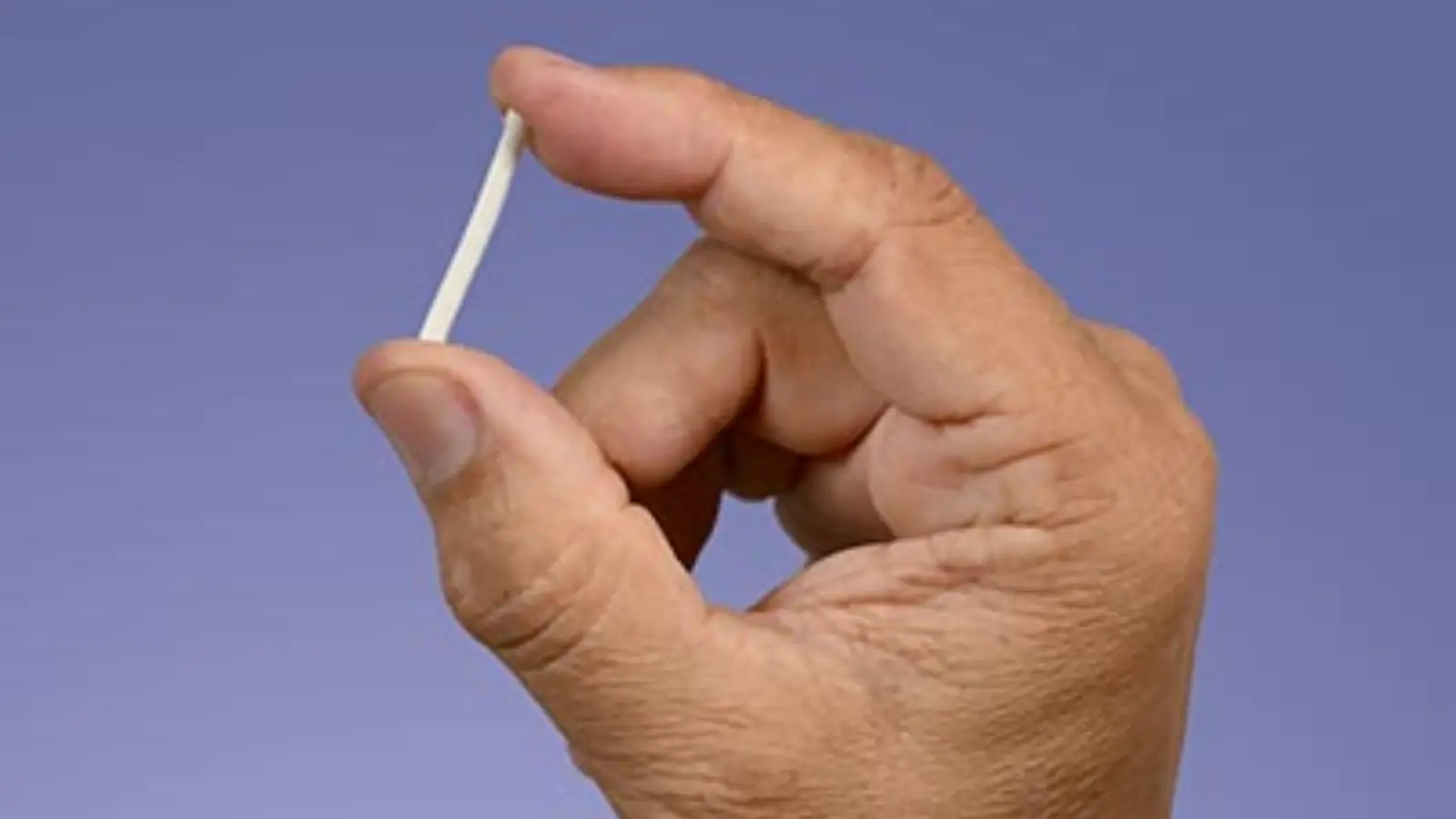
When choosing a long-term contraceptive, it’s important to compare different methods based on duration, convenience, and effectiveness. The table below outlines how Nexplanon stacks up against hormonal IUDs and injectable contraceptives, highlighting key differences in protection and usability.
| Contraceptive Method | Duration of Effectiveness | Application & Maintenance | Effectiveness Rate |
| Hormonal IUDs (e.g., Mirena, Liletta) | 3 to 6 years (brand-dependent) | Inserted into the uterus; requires a healthcare provider for placement and removal | Over 99% |
| Nexplanon | Approved for 3 years (potentially up to 5 years) | Implanted under the skin of the arm; minimal maintenance required | 99% |
| Injectable Contraceptives (Depo-Provera) | Requires injection every 3 months | Must visit a healthcare provider for repeated injections | 94% (with typical use) |
Factors Influencing Nexplanon’s Effectiveness
Various factors can affect how well the implant works, making it essential to understand potential impacts on contraceptive duration. Here’s a breakdown of how each factor may affect Nexplanon’s performance.
- Body Mass Index (BMI) and Contraceptive Duration: Nexplanon remains highly effective across different BMI categories. However, higher BMI levels may alter hormone metabolism, potentially reducing its duration of effectiveness in some individuals.
- Metabolic Variations: Individual differences in hormone metabolism can influence how long Nexplanon remains effective, impacting its overall contraceptive duration.
- Drug Interactions: Certain medications, such as anticonvulsants and some antibiotics, may reduce Nexplanon’s efficacy by affecting hormone breakdown, requiring additional contraceptive measures.
Some users experience changes in bleeding patterns, mood fluctuations, or minor skin reactions. It’s essential to stay aware of potential Nexplanon side effects and consult a healthcare provider if any concerns arise.
Recommendations for Replacement or Removal
Users should plan for Nexplanon removal or replacement by the three-year mark, unless a healthcare provider determines that extended use is appropriate. If a patient chooses to continue using Nexplanon beyond its FDA-approved duration, regular monitoring is essential to ensure continued effectiveness and minimize potential risks. Consulting a healthcare provider allows for proper guidance and reassessment of contraceptive needs.
Before considering extended use, healthcare providers should thoroughly review a patient’s medical history, risk factors, and personal preferences. This ensures that patients are well-informed and comfortable with their contraceptive choices. Additionally, discussing alternative birth control options can help patients transition smoothly if they decide to switch methods in the future.
Routine follow-ups are crucial to confirm that the implant remains in place and functions correctly. Healthcare providers should check for potential complications, such as irregular bleeding or implant migration, while patients should promptly report any unusual symptoms. Early detection of issues helps maintain effective contraception and overall reproductive health.
Conclusion
Nexplanon is a highly effective long-term contraceptive implant, FDA-approved for three years, with emerging evidence suggesting effectiveness for up to five years. While some healthcare providers may recommend extended use, factors such as BMI, metabolic rate, and medication interactions should be carefully considered.
Regular monitoring and open discussions with a healthcare provider are essential to ensure continued effectiveness and optimal contraceptive benefits. By staying informed and proactive, users can make confident decisions about their reproductive health.
FAQs
1. How long does Nexplanon last before needing replacement?
Nexplanon is FDA-approved for three years of continuous use. Some studies suggest it may remain effective for up to five years in specific individuals, but it’s essential to consult a healthcare provider before extending use beyond the recommended timeframe.
2. What happens if I keep Nexplanon longer than three years?
After three years, the hormone release rate declines, potentially reducing contraceptive effectiveness. If left too long, the implant may become more challenging to remove. Regular medical check-ups are necessary if considering extended use.
3. How do I know when Nexplanon has expired?
Signs that Nexplanon may no longer be effective include irregular bleeding, hormonal changes, or unexpected pregnancy symptoms.
4. Can Nexplanon be removed earlier than three years?
Nexplanon can be removed at any time if side effects become intolerable or if a user wishes to switch birth control methods. A trained healthcare provider must perform the removal to avoid complications.
References
World Health Organization. Family planning/contraception methods. Published September 5, 2023. https://www.who.int/news-room/fact-sheets/detail/family-planning-contraception
What is the Effectiveness of the Birth Control Implant? Planned Parenthood. https://www.plannedparenthood.org/learn/birth-control/birth-control-implant-nexplanon/how-effective-is-the-birth-control-implant
How Effective is NEXPLANON? https://www.nexplanon.com/effectiveness/
Long-Acting reversible contraception implants and intrauterine devices. ACOG. https://www.acog.org/clinical/clinical-guidance/practice-bulletin/articles/2017/11/long-acting-reversible-contraception-implants-and-intrauterine-devices